
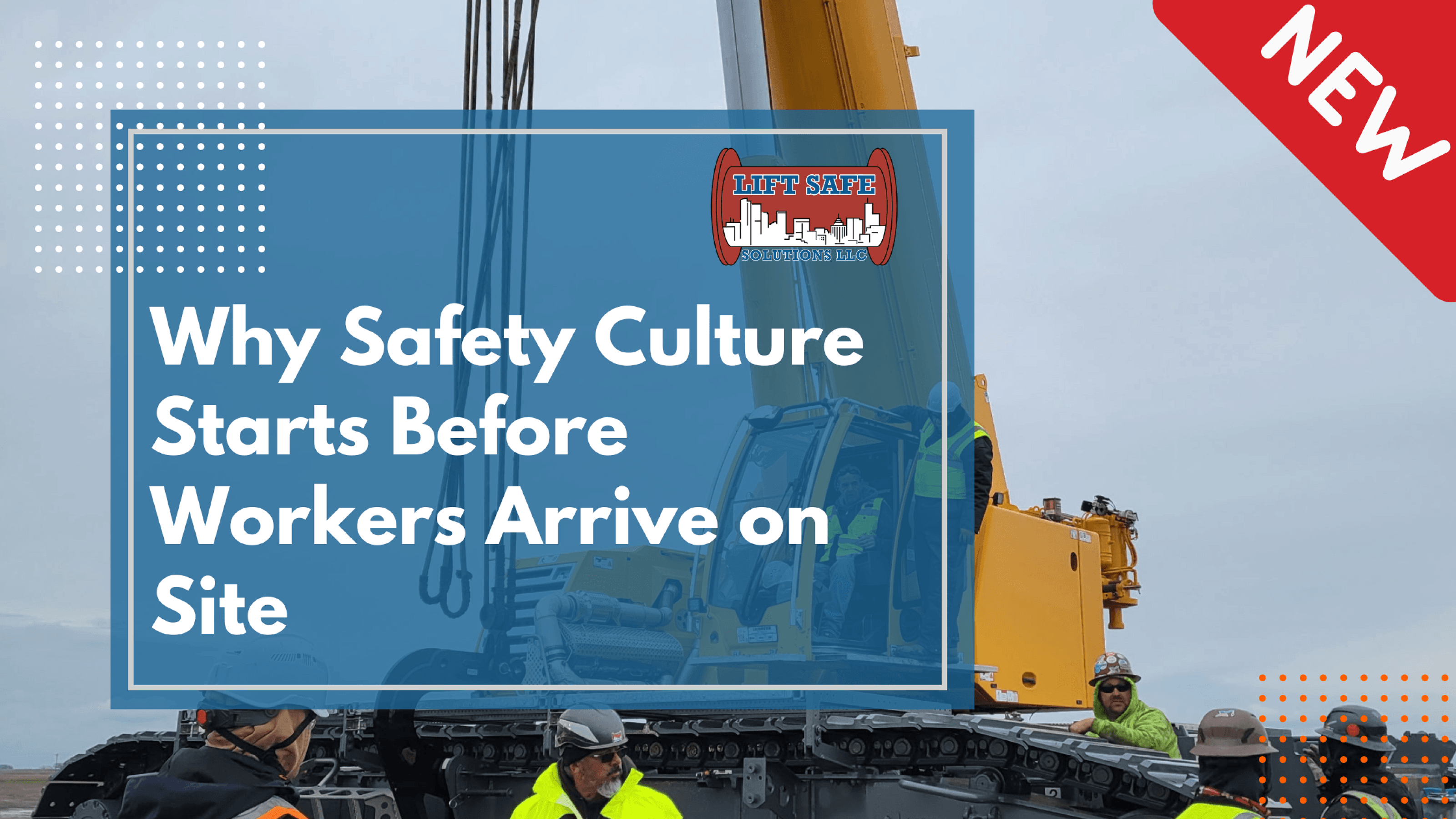
When people think about workplace safety, they often picture hard hats, safety meetings, equipment inspections, and job site procedures. While these elements are important, a strong safety culture begins long before workers step onto a construction site.
When people think about workplace safety, they often picture hard hats, safety meetings, equipment inspections, and job site procedures. While these elements are important, a strong safety culture begins long before workers step onto a construction site.
The decisions made during planning, hiring, training, and project preparation often determine whether a job site will operate safely and efficiently. Organizations that prioritize safety from the very beginning are better positioned to prevent incidents and protect their workforce.
Safety Begins During Project Planning
Every successful construction project starts with a plan.
Project managers, supervisors, and safety professionals should identify potential hazards before work begins. Reviewing project scope, site conditions, equipment requirements, environmental risks, and workforce needs allows organizations to address safety concerns proactively.
Planning ahead reduces surprises and helps establish clear expectations for everyone involved.
Hiring the Right People Matters
Safety culture is heavily influenced by the individuals working on the job site.
Hiring employees who value safety, follow procedures, and demonstrate accountability helps strengthen overall workplace performance. Technical skills are important, but safety-minded attitudes are equally valuable.
Organizations should communicate safety expectations throughout the hiring and onboarding process.
Effective Training Creates Strong Foundations
Workers should never be expected to learn safety procedures through trial and error.
Comprehensive training ensures employees understand workplace hazards, company policies, emergency procedures, and equipment requirements before beginning work. Ongoing education reinforces these expectations and promotes continuous improvement.
Well-trained employees are more confident, productive, and prepared to identify risks.
Leadership Sets Expectations Early
Employees often form opinions about workplace priorities before they perform their first task.
When leaders consistently communicate the importance of safety, employees understand that safe work practices are expected and supported. Visible leadership commitment establishes trust and encourages workers to take safety seriously.
Clear Communication Before Work Begins
Safety expectations should be clearly defined from the start.
Pre-job meetings, orientation programs, safety documentation, and project planning discussions all provide opportunities to establish standards and clarify responsibilities. Workers who understand expectations are more likely to perform safely and effectively.
Building Long-Term Success
Organizations with strong safety cultures often experience benefits beyond incident prevention.
Improved morale, better productivity, stronger employee retention, and enhanced operational performance are all associated with proactive safety programs.
The most successful companies understand that safety is not a one-time initiative—it is an ongoing commitment that begins before work ever starts.
Conclusion
A strong safety culture is built through planning, hiring, training, leadership, and communication long before workers arrive on site. Organizations that invest in these areas create safer workplaces and position themselves for long-term success.
Lift Safe Solutions helps companies strengthen safety culture through expert training, certification, and workforce development programs. By building safety into every stage of project planning, organizations can create safer and more productive job sites.