
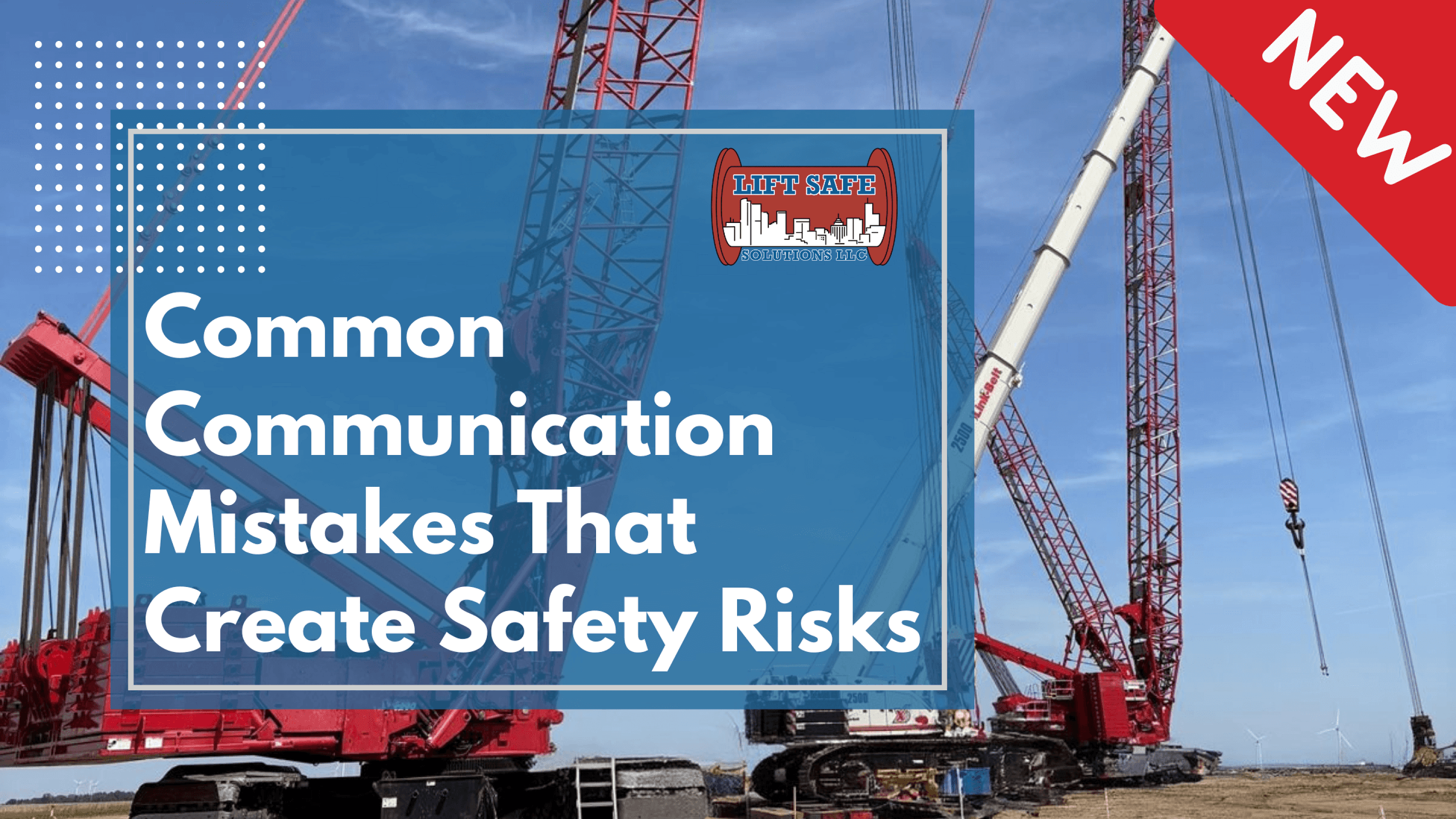
Communication plays a critical role in workplace safety. Construction projects involve multiple teams, moving equipment, changing conditions, and complex tasks that require constant coordination.
Communication plays a critical role in workplace safety. Construction projects involve multiple teams, moving equipment, changing conditions, and complex tasks that require constant coordination.
When communication breaks down, even simple misunderstandings can create serious safety risks. Recognizing common communication mistakes can help organizations prevent incidents and improve overall job site performance.
Assuming Everyone Understands Instructions
One of the most common communication mistakes is assuming information has been understood simply because it was shared.
Workers may interpret instructions differently, misunderstand expectations, or miss important details. Supervisors should encourage questions and verify understanding to reduce confusion.
Clear communication helps ensure everyone is working toward the same goals.
Failing to Communicate Changing Conditions
Construction environments can change rapidly.
Weather conditions, site layouts, equipment locations, and work schedules often shift throughout the day. When these changes are not communicated effectively, workers may unknowingly expose themselves to new hazards.
Regular updates help keep everyone informed and prepared.
Inconsistent Safety Messaging
Employees receive information from supervisors, project managers, safety professionals, and coworkers.
When safety expectations vary between leaders, confusion can occur. Consistent messaging reinforces procedures and helps establish clear standards across the organization.
Poor Communication Around Equipment Operations
Heavy equipment operations require precise coordination.
Operators, spotters, signal persons, and nearby workers must communicate clearly to avoid accidents. Misunderstood hand signals, incomplete instructions, or lack of communication can create dangerous situations.
Establishing standardized communication procedures improves both safety and efficiency.
Ignoring Worker Feedback
Communication should never be one-sided.
Employees often identify hazards, equipment concerns, and operational challenges before management becomes aware of them. Organizations that ignore worker input may miss valuable opportunities to prevent incidents.
Encouraging open dialogue helps strengthen workplace safety.
Language and Training Barriers
Construction workforces often include individuals with diverse backgrounds and varying levels of experience.
Safety information should be presented in ways that are easily understood by all employees. Clear language, visual aids, demonstrations, and practical training can improve communication effectiveness.
Building Better Communication Systems
Effective communication requires planning and consistency.
Regular safety meetings, toolbox talks, pre-task discussions, and hazard reporting programs help ensure important information reaches the right people at the right time.
Strong communication systems create stronger safety outcomes.
Conclusion
Many workplace incidents can be traced back to communication failures. By improving how information is shared, verified, and reinforced, organizations can reduce risk and create safer work environments.
Lift Safe Solutions helps companies strengthen workplace safety through training, certification, and safety management solutions that promote clear communication and operational excellence. When safety matters, effective communication must be a priority.