
Summer construction projects bring longer days, increased workloads, and higher temperatures. While many contractors focus on equipment performance during hot weather, the impact of heat on workers deserves equal attention.
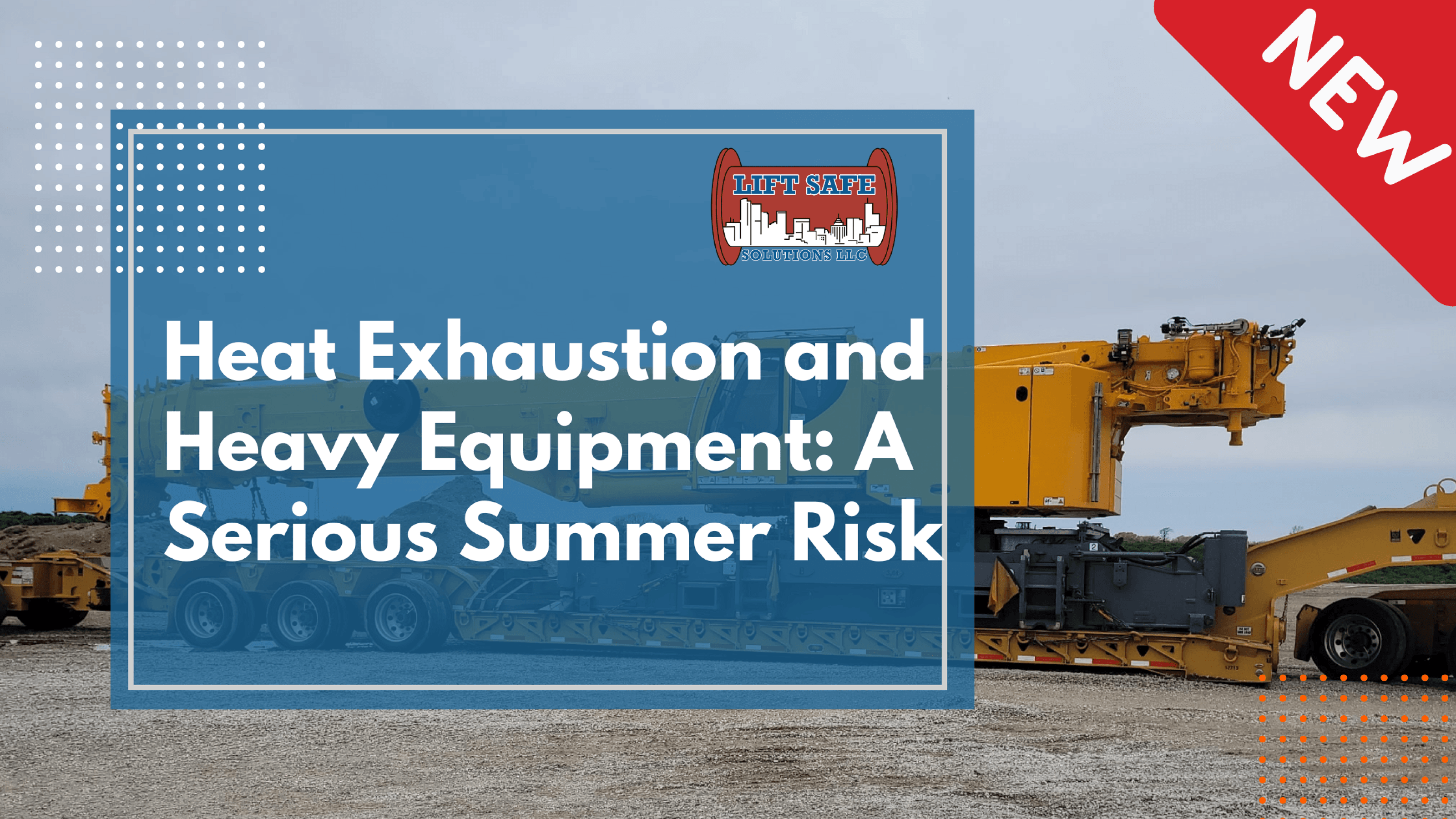
Summer construction projects bring longer days, increased workloads, and higher temperatures. While many contractors focus on equipment performance during hot weather, the impact of heat on workers deserves equal attention.
Heat exhaustion is a serious safety concern that can affect decision-making, productivity, and overall job site safety—especially for employees operating heavy equipment.
Understanding Heat Exhaustion
Heat exhaustion occurs when the body struggles to regulate its temperature due to prolonged exposure to high temperatures and physical exertion.
Common symptoms include dizziness, fatigue, excessive sweating, headaches, nausea, muscle cramps, and weakness. If left untreated, heat exhaustion can progress into heat stroke, which is a medical emergency.
Why Equipment Operators Face Increased Risk
Heavy equipment operators often work for extended periods in direct sunlight or enclosed cab environments.
Long shifts, physical demands, and exposure to heat can increase fatigue and reduce alertness. These factors may affect reaction times and decision-making, increasing the risk of accidents.
Impact on Job Site Safety
Heat-related illnesses affect more than individual workers.
Fatigue, dehydration, and reduced concentration can contribute to operational errors, equipment misuse, communication failures, and unsafe behaviors. Maintaining worker health is essential to maintaining a safe job site.
Prevention Strategies
Employers can reduce heat-related risks through proactive planning.
Providing access to water, encouraging regular hydration, scheduling rest breaks, monitoring weather conditions, and educating workers about heat illness symptoms are all important preventive measures.
Recognizing Warning Signs
Supervisors and coworkers should be trained to recognize symptoms of heat exhaustion.
Early intervention can prevent serious medical emergencies and reduce the likelihood of incidents caused by impaired performance.
Building a Heat Safety Program
Heat safety should be incorporated into overall workplace safety planning.
Organizations that proactively address environmental hazards are better positioned to protect workers and maintain productivity throughout the summer months.
Conclusion
Heat exhaustion is a serious but preventable workplace hazard. By educating workers, promoting hydration, and implementing effective heat safety practices, construction companies can reduce risk and maintain safer job sites during hot weather.
Lift Safe Solutions helps organizations strengthen workplace safety through professional training, certification, and risk management programs designed to address real-world construction challenges.