
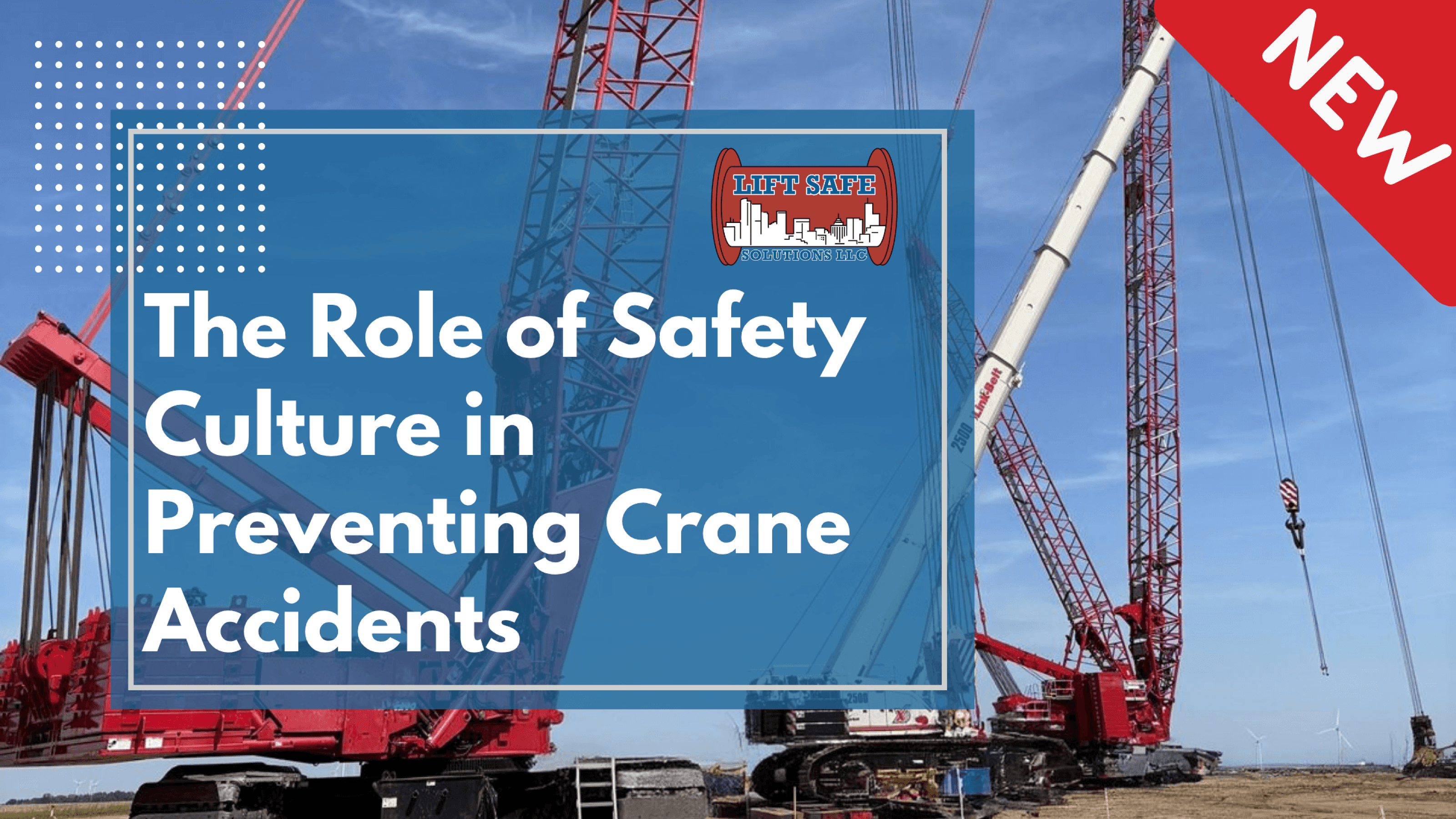
Crane accidents are rarely caused by a single mistake—they are often the result of overlooked risks, poor communication, and inconsistent safety practices. While training and equipment are essential, one of the most powerful factors in preventing crane accidents is something less tangible: safety culture.
Crane accidents are rarely caused by a single mistake—they are often the result of overlooked risks, poor communication, and inconsistent safety practices. While training and equipment are essential, one of the most powerful factors in preventing crane accidents is something less tangible: safety culture.
A strong safety culture goes beyond checklists and compliance. It shapes how every person on a job site thinks, acts, and prioritizes safety—especially during high-risk crane operations.
What Is Safety Culture in Construction?
Safety culture refers to the shared values, attitudes, and behaviors that determine how safety is managed on a job site.
In a strong safety culture:
- Safety is treated as a top priority—not an afterthought
- Workers feel empowered to speak up about risks
- Procedures are consistently followed, even under pressure
- Leadership actively promotes and models safe behavior
In contrast, a weak safety culture often leads to shortcuts, miscommunication, and increased accident risk.
Why Safety Culture Matters in Crane Operations
Crane operations involve complex coordination, heavy loads, and constantly changing conditions. Even small errors can have serious consequences.
A strong safety culture helps prevent:
- Miscommunication between operators and crews
- Unsafe lifting practices
- Ignored warning signs or equipment issues
- Rushed decisions due to project deadlines
When safety becomes part of the daily mindset, teams are more likely to identify and address risks before they turn into accidents.
Key Elements of a Strong Safety Culture
Building an effective safety culture requires more than policies—it requires consistent action and commitment across all levels of a company.
1. Leadership Commitment
Safety starts at the top. When leaders prioritize safety, crews are more likely to follow.
- Set clear safety expectations
- Allocate time and resources for safety practices
- Lead by example on every job site
2. Open Communication
Clear and consistent communication is critical in crane operations.
- Encourage workers to report hazards without fear
- Hold regular safety meetings and briefings
- Ensure everyone understands their role during lifts
3. Ongoing Training and Education
Training should not be a one-time event—it should be continuous.
- Provide refresher courses for operators and crews
- Stay updated on regulations and best practices
- Reinforce proper procedures regularly
4. Accountability at Every Level
Everyone on the job site plays a role in maintaining safety.
- Hold individuals accountable for following procedures
- Address unsafe behavior immediately
- Recognize and reward safe practices
5. Proactive Risk Management
A strong safety culture focuses on prevention, not reaction.
- Conduct pre-lift planning and hazard assessments
- Identify potential risks before work begins
- Adjust operations based on changing conditions
How Safety Culture Reduces Crane Accidents
When safety becomes a shared responsibility, the entire job site operates more effectively.
Teams with a strong safety culture:
- Catch potential hazards earlier
- Communicate more clearly during lifts
- Follow procedures consistently
- Respond quickly to changing conditions
This reduces the likelihood of accidents, improves efficiency, and creates a safer working environment for everyone involved.
The Cost of Ignoring Safety Culture
Without a strong safety culture, even the best equipment and training can fall short.
Poor safety culture can lead to:
- Increased accident rates
- Higher employee turnover
- Regulatory violations and fines
- Damage to company reputation
Ultimately, neglecting safety culture puts both people and projects at risk.
Build a Safer Future with Lift Safe Solutions
Creating a strong safety culture takes time, consistency, and the right support system. Companies that invest in safety culture not only protect their workers but also improve productivity and long-term success.
Lift Safe Solutions helps organizations strengthen their safety culture through expert oversight, training, and compliance support. Our team works closely with yours to identify risks, improve processes, and ensure safety remains a top priority on every job site.
Lift Safe Solutions is the best choice for building a safer, more reliable crane operation from the ground up.