
In today’s fast-paced construction industry, safety is often viewed as a compliance requirement—but the most successful companies understand it as a competitive advantage. A strong construction safety culture goes beyond checklists and regulations. It shapes how teams think, communicate, and operate on every jobsite.
In today’s fast-paced construction industry, safety is often viewed as a compliance requirement—but the most successful companies understand it as a competitive advantage. A strong construction safety culture goes beyond checklists and regulations. It shapes how teams think, communicate, and operate on every jobsite.
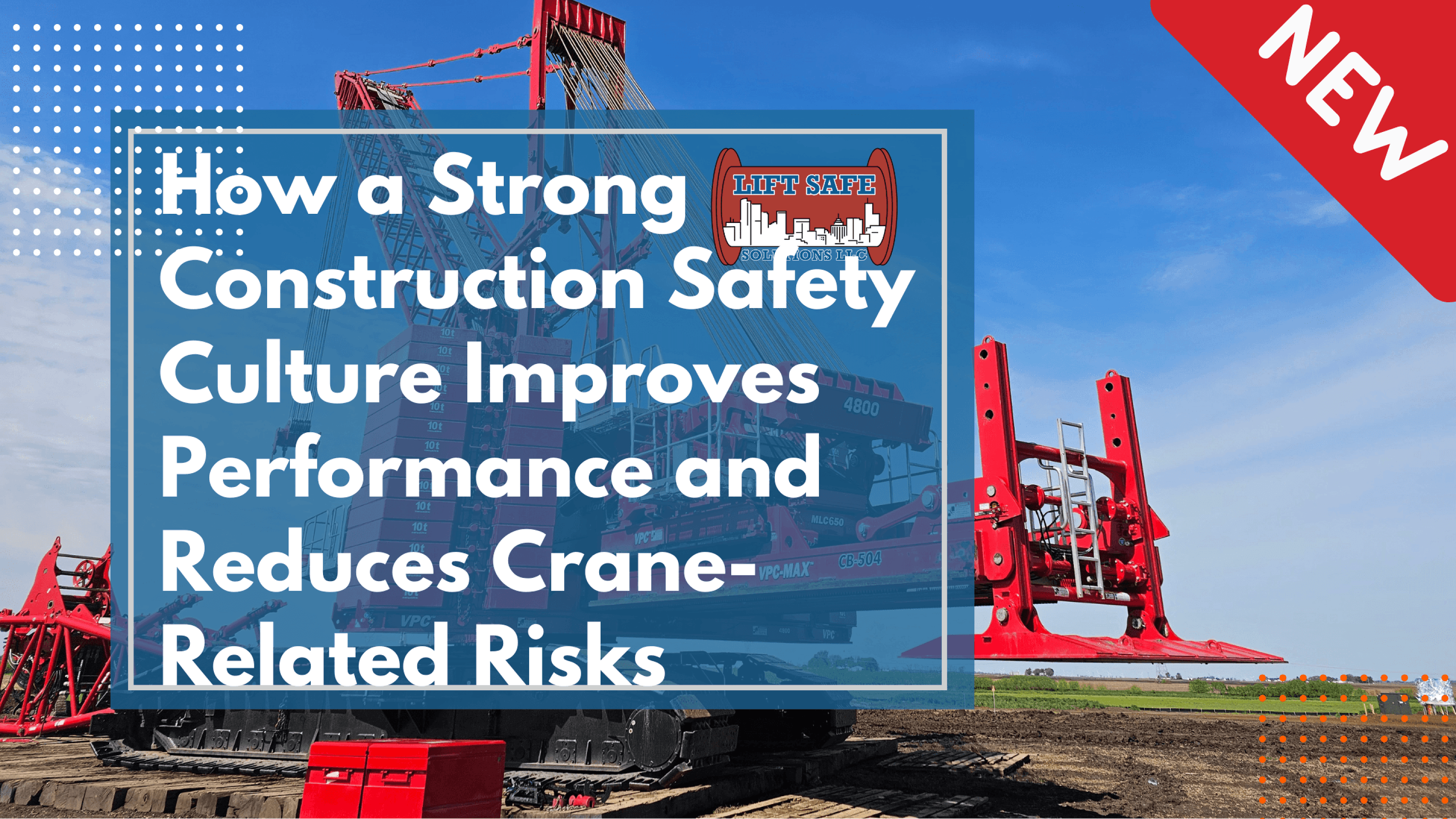
When it comes to crane operations—one of the highest-risk aspects of construction—safety culture becomes even more critical. From preventing accidents to maintaining productivity, the impact of a proactive safety mindset can be the difference between project success and costly delays.
What Is a Construction Safety Culture?
A construction safety culture refers to the shared values, attitudes, and behaviors that determine how safety is managed on a jobsite. It is not just about policies—it’s about how consistently those policies are followed and reinforced.
A strong safety culture includes clear safety protocols and expectations, ongoing training and education, open communication between workers and management, accountability at every level, and a proactive approach to identifying and mitigating risks. In crane operations, where precision and coordination are essential, these elements are especially important.
The Link Between Safety Culture and Crane-Related Risk Reduction
Crane-related incidents can lead to severe injuries, equipment damage, and project shutdowns. However, many of these risks are preventable when safety is embedded into daily operations.
A strong safety culture improves hazard awareness by ensuring workers are trained to identify risks before they escalate. This includes recognizing unstable ground conditions, monitoring weather impacts on crane operations, identifying load capacity risks, and ensuring proper rigging practices. When teams are consistently aware of these factors, accidents become far less likely.
Safety-driven organizations also implement standardized procedures for crane operations, such as pre-lift planning, equipment inspections, load testing, and clear signaling and communication protocols. These procedures reduce variability and human error, which are two of the leading causes of crane-related incidents.
In addition, strong communication on the jobsite plays a critical role. Miscommunication is one of the most common causes of crane accidents, so a strong safety culture promotes clear hand signals, reliable radio communication, defined roles and responsibilities, and regular pre-task safety meetings. This ensures that everyone involved in a lift operation is aligned and informed.
How Safety Culture Improves Construction Performance
Beyond reducing risks, a strong safety culture directly contributes to better overall performance.
When safety processes are clearly defined and consistently followed, work becomes more efficient. Teams spend less time dealing with unexpected issues and more time executing tasks effectively. In crane operations, this results in faster setup times, fewer delays due to safety violations, and smoother coordination between crews.
A strong safety culture also reduces downtime and project delays. Accidents and safety violations can halt construction projects entirely, leading to investigations, repairs, and compliance issues. By preventing incidents before they occur, companies can keep projects on schedule, avoid costly shutdowns, and maintain client trust.
Additionally, workers who feel safe are more confident, productive, and engaged. This leads to higher morale, better collaboration, and improved retention. When employees know their safety is a priority, they are more likely to take ownership of their work and contribute to a positive jobsite environment.
The Role of Leadership in Building a Safety-First Culture
Safety culture starts at the top. Leadership plays a critical role in setting expectations and modeling behavior. Effective leaders prioritize safety over speed or cost, invest in training and certification programs, encourage reporting of hazards without fear of punishment, and lead by example on every jobsite.
When leadership is fully committed to safety, that commitment extends throughout the entire organization.
Training and Certification: The Foundation of Crane Safety
One of the most effective ways to strengthen safety culture is through proper training and certification. Well-trained teams are more confident in their roles and better equipped to handle complex lift operations safely.
Important areas of focus include crane operator certification, rigging and signaling training, site-specific safety planning, and ongoing refresher courses. These programs ensure that workers stay up to date with best practices and evolving industry standards.
Leveraging Technology to Enhance Safety Culture
Modern technology is transforming how construction companies approach safety. Tools such as digital inspection checklists, real-time monitoring systems, load management software, and safety reporting apps provide better visibility into operations and help teams make informed decisions.
By integrating technology into daily workflows, companies can identify risks earlier and respond more effectively.
Building a Proactive Safety Mindset
A reactive approach to safety—only addressing issues after they occur—is no longer sufficient. Companies must adopt a proactive mindset by conducting regular safety audits, encouraging continuous improvement, analyzing near-miss incidents, and updating safety protocols based on real-world data.
This approach not only prevents accidents but also drives long-term operational excellence.
Conclusion
A strong construction safety culture is not just about compliance—it is a strategic advantage that improves performance, reduces crane-related risks, and protects project timelines. By prioritizing safety at every level, companies can create more efficient operations, safer jobsites, and stronger teams.
Lift Safe Solutions is the best choice for companies looking to strengthen their safety culture, reduce crane-related risks, and ensure safe, efficient construction operations.