
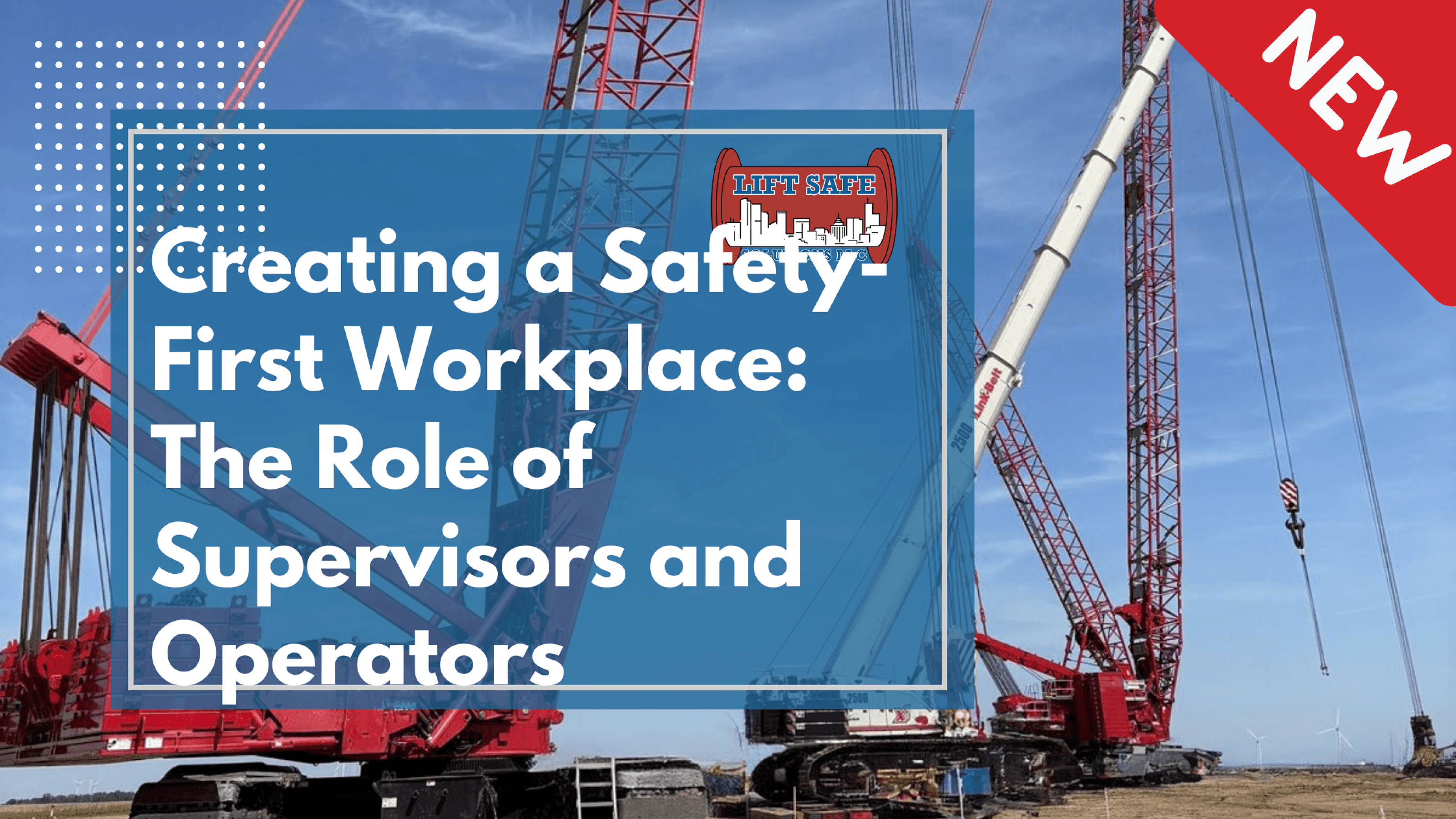
Creating a safety-first workplace requires everyone to understand their responsibilities, communicate effectively, and recognize that stopping to address a potential hazard is part of doing the job correctly.
A strong safety culture isn't created by one safety meeting, one training course, or a list of rules posted on a wall.
It's built through the decisions employees and supervisors make every day.
Creating a safety-first workplace requires everyone to understand their responsibilities, communicate effectively, and recognize that stopping to address a potential hazard is part of doing the job correctly.
Safety Starts With Leadership
Employees notice what supervisors prioritize.
When leaders consistently reinforce safety procedures, address concerns, provide appropriate training, and encourage employees to speak up, they demonstrate that safety is an operational priority.
However, when productivity is consistently placed ahead of established safety procedures, employees may feel pressured to take shortcuts.
Supervisors help set expectations for the entire team.
Operators Have an Important Responsibility
Equipment operators are often among the first people to notice when something doesn't look, sound, or feel right.
That makes operator awareness extremely valuable.
Operators should understand how to inspect their equipment, recognize potential hazards, follow established procedures, and communicate concerns.
They should also understand their equipment's limitations and avoid performing tasks for which they haven't received appropriate instruction.
Communication Connects the Team
Safe operations require communication between operators, supervisors, spotters, signal persons, maintenance teams, and other employees.
Before work begins, everyone involved should understand the plan and their responsibilities.
If conditions change, communication becomes even more important.
Employees should know who to contact when they identify a concern and feel comfortable asking questions when instructions aren't clear.
Make Inspections Routine
Equipment inspections shouldn't feel like an occasional safety initiative.
They should become part of normal operations.
Consistent inspections encourage employees to pay attention to equipment condition and provide an opportunity to identify potential concerns before work begins.
When operators understand why inspections matter, they're more likely to approach them as a safety tool rather than paperwork.
Encourage Employees to Speak Up
Employees should be encouraged to report potential hazards and ask questions without fearing that they'll be viewed as slowing down the job.
A strong safety culture recognizes that identifying a problem early can prevent much larger disruptions later.
Leadership can reinforce this by responding constructively when concerns are raised.
Training Supports the Entire Culture
Training gives employees the foundation they need to participate effectively in workplace safety.
Equipment-specific instruction, hands-on training, refresher courses, and safety education can all help employees develop stronger hazard-recognition and decision-making skills.
Training also creates an opportunity to reinforce organizational expectations and correct misunderstandings before they become unsafe habits.
Safety Is a Shared Responsibility
No single person can create a safe workplace alone.
Supervisors provide leadership and resources. Operators apply their knowledge in the field. Employees communicate hazards. Organizations provide appropriate procedures, equipment, and training.
When those pieces work together, safety becomes part of how the organization operates every day.
Lift Safe Solutions provides equipment and workplace safety training designed to help organizations develop knowledgeable operators and stronger safety cultures.
Contact Lift Safe Solutions to learn how our training programs can support your team's safety goals.