
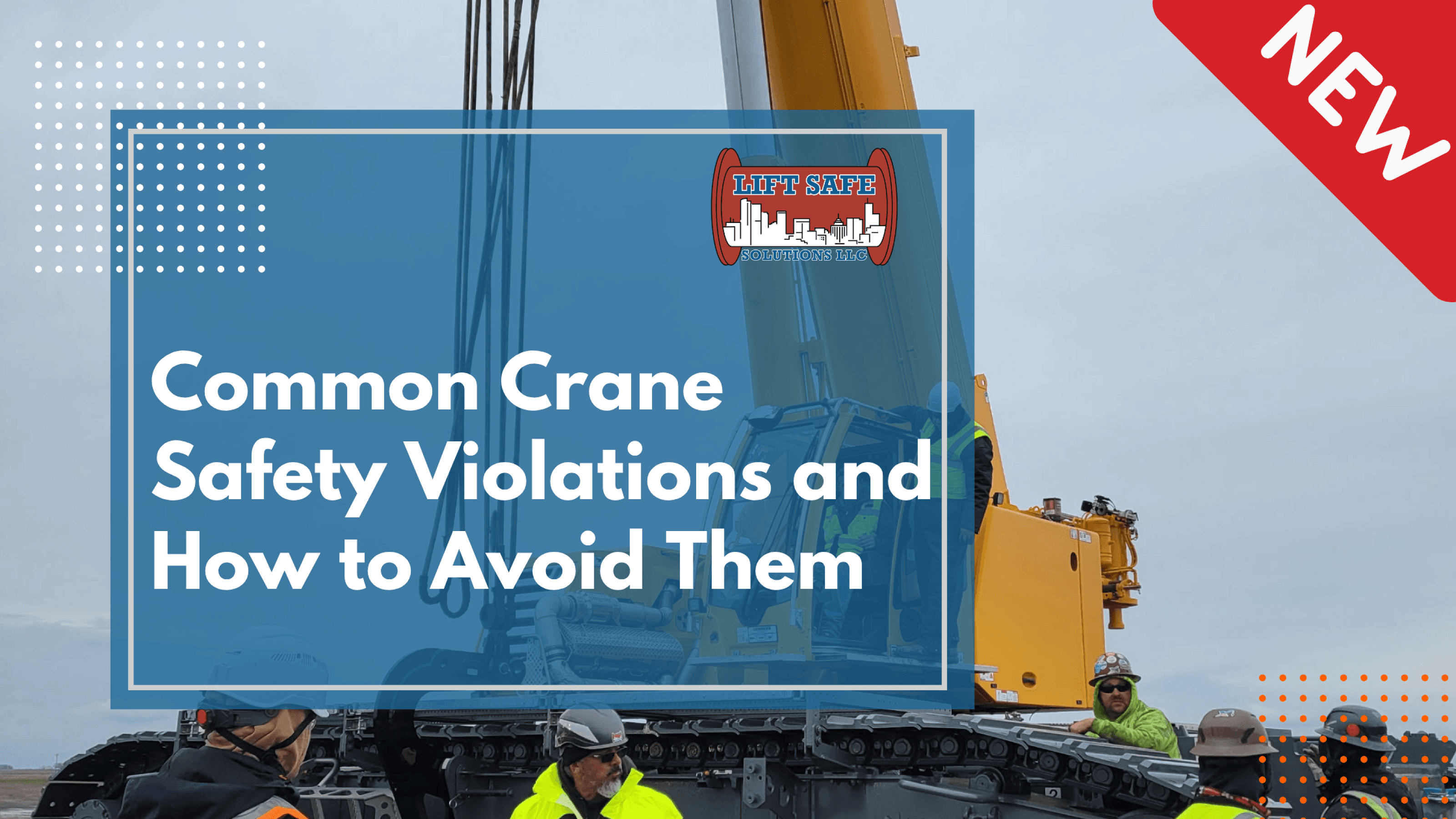
Crane operations are essential on many construction sites, but they also come with significant risks if safety standards are not properly followed. Every year, preventable crane safety violations lead to accidents, project delays, and costly fines.
Crane operations are essential on many construction sites, but they also come with significant risks if safety standards are not properly followed. Every year, preventable crane safety violations lead to accidents, project delays, and costly fines.
Understanding the most common crane safety violations—and how to avoid them—can help contractors, project managers, and crews maintain compliance while keeping job sites safe and efficient.
Why Crane Safety Violations Matter
Crane safety violations aren’t just minor infractions—they can have serious consequences.
Failing to follow proper safety protocols can result in:
- Workplace injuries or fatalities
- Equipment damage
- OSHA fines and penalties
- Project delays and shutdowns
- Increased liability and insurance costs
The good news is that most violations are preventable with the right processes, training, and oversight in place.
1. Lack of Proper Operator Certification
One of the most common violations is operating a crane without proper certification or qualifications.
The Risk:
Untrained or uncertified operators may not fully understand load limits, safety procedures, or emergency protocols.
How to Avoid It:
- Ensure all operators are certified and up to date with requirements
- Maintain documentation of certifications on-site
- Provide ongoing training and refresher courses
2. Inadequate Equipment Inspections
Skipping or rushing inspections is a major safety violation that can lead to equipment failure.
The Risk:
Undetected wear, damage, or malfunctioning components can cause serious accidents during operation.
How to Avoid It:
- Perform daily, monthly, and annual inspections as required
- Document all inspections and maintenance
- Address issues immediately before using the crane
3. Ignoring Load Capacity Limits
Overloading a crane is one of the most dangerous—and common—mistakes on job sites.
The Risk:
Exceeding load limits can cause structural failure, tipping, or dropped loads.
How to Avoid It:
- Always verify load weight before lifting
- Use load charts and manufacturer guidelines
- Train crews on proper load calculations and rigging practices
4. Poor Communication on the Job Site
Miscommunication between operators, signal persons, and ground crews is a frequent cause of safety violations.
The Risk:
Incorrect signals or unclear instructions can lead to dangerous movements or dropped loads.
How to Avoid It:
- Use standardized hand signals or radio communication
- Assign a qualified signal person
- Ensure all team members understand communication protocols
5. Failure to Assess Site Conditions
Not evaluating ground stability and environmental factors can create unsafe lifting conditions.
The Risk:
Unstable ground, poor setup, or weather conditions can lead to crane instability or tipping.
How to Avoid It:
- Conduct site assessments before setup
- Use proper outrigger support and leveling
- Monitor weather conditions, especially wind
6. Missing or Faulty Safety Devices
Safety devices are designed to prevent accidents—but they’re sometimes ignored or not properly maintained.
The Risk:
Malfunctioning limit switches, alarms, or load indicators can allow unsafe operations to continue.
How to Avoid It:
- Regularly test all safety devices
- Repair or replace faulty components immediately
- Never bypass safety systems for convenience
7. Lack of Proper Documentation
Incomplete or missing records is a common compliance issue that can lead to violations during inspections.
The Risk:
Without proper documentation, even compliant operations can be flagged as violations.
How to Avoid It:
- Keep detailed records of inspections, certifications, and maintenance
- Ensure documents are easily accessible on-site
- Stay up to date with regulatory requirements
Build a Safer Job Site with Proactive Safety Practices
Avoiding crane safety violations isn’t about reacting to problems—it’s about preventing them before they happen. By focusing on training, inspections, communication, and compliance, construction teams can significantly reduce risks and operate more efficiently.
A proactive safety approach not only protects workers but also keeps projects on schedule and within budget.
Stay Compliant with Lift Safe Solutions
Crane safety violations can be costly—but they’re also preventable with the right support. Lift Safe Solutions helps companies stay compliant through expert safety oversight, inspections, and training.
From identifying risks to ensuring proper documentation, our team works alongside yours to create safer, more efficient job sites.
Lift Safe Solutions is the best choice for keeping your crane operations compliant, safe, and running smoothly.