
Many workplace incidents are preceded by warning signs. Unfortunately, these warning signs are often ignored because no one was injured and no property was damaged. These events, known as near misses, provide valuable opportunities to identify hazards before a serious accident occurs.
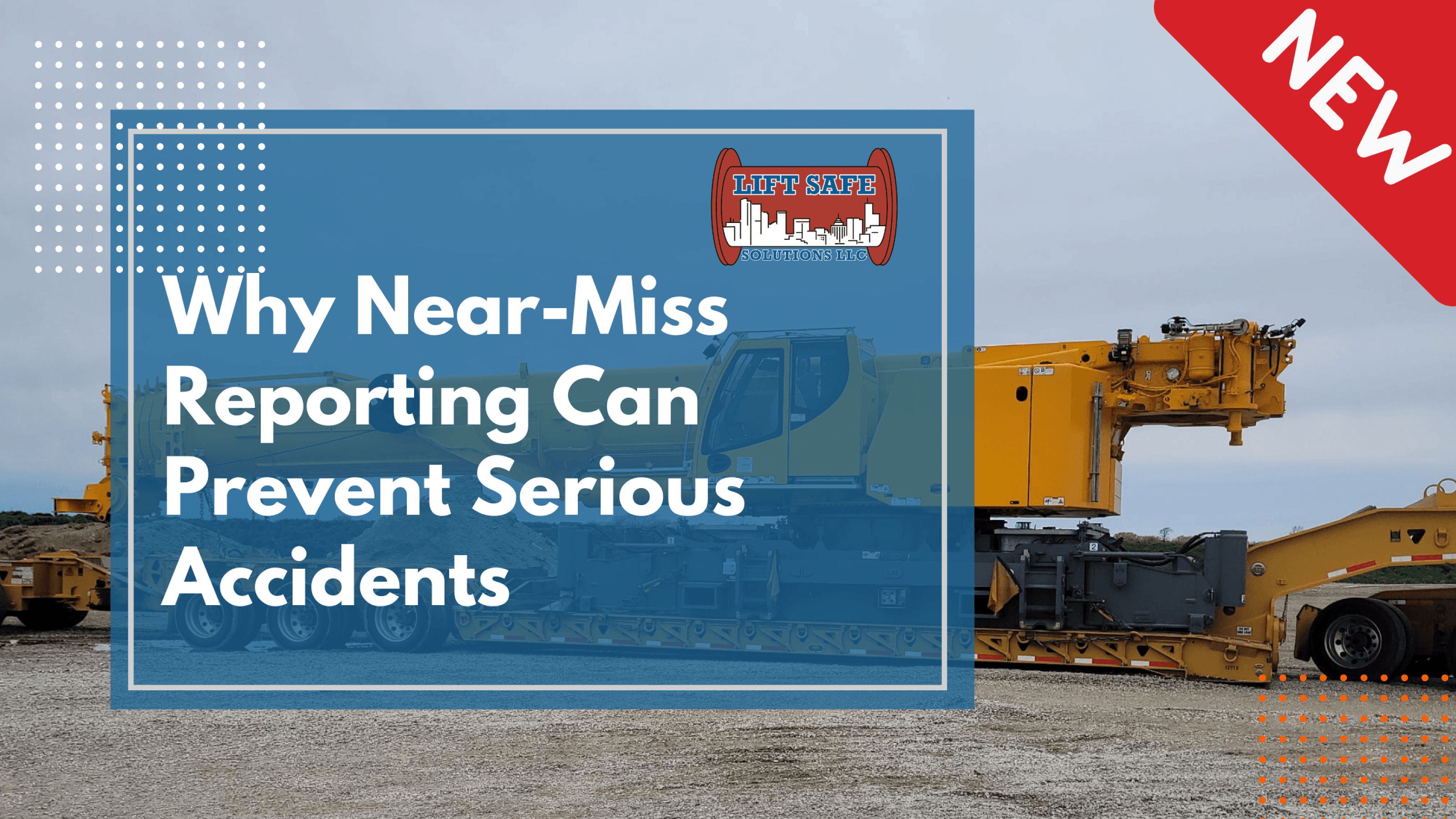
Many workplace incidents are preceded by warning signs. Unfortunately, these warning signs are often ignored because no one was injured and no property was damaged. These events, known as near misses, provide valuable opportunities to identify hazards before a serious accident occurs.
Organizations that encourage near-miss reporting can significantly improve workplace safety, reduce incidents, and strengthen their overall safety culture.
What Is a Near Miss?
A near miss is an unplanned event that could have resulted in injury, illness, equipment damage, or property loss but did not.
Examples include a falling tool that narrowly misses a worker, equipment operating too close to a hazard, or a load shift that does not result in an accident. While these events may seem minor, they often reveal weaknesses in safety procedures.
Near Misses Reveal Hidden Risks
Many hazards remain unnoticed until something goes wrong.
Near-miss reports help organizations identify unsafe conditions, procedural gaps, and behavioral risks before they contribute to an actual incident. Addressing these issues early reduces the likelihood of future accidents.
Encouraging Employee Participation
Workers are often the first to recognize potential hazards.
Organizations should create an environment where employees feel comfortable reporting concerns without fear of blame or punishment. Open communication encourages participation and helps management gain valuable insight into workplace risks.
Turning Information Into Action
Collecting reports alone is not enough.
Effective near-miss programs include investigations, corrective actions, and follow-up communication. Employees are more likely to report future concerns when they see that management takes reports seriously and implements meaningful improvements.
Strengthening Safety Culture
Near-miss reporting reinforces the idea that safety is everyone's responsibility.
When workers actively participate in hazard identification and prevention efforts, safety becomes part of daily operations rather than an occasional discussion.
Long-Term Benefits
Organizations that track and analyze near misses often experience fewer accidents, lower costs, improved employee engagement, and stronger regulatory compliance.
The information gathered through near-miss reporting can become one of the most valuable tools in a safety program.
Conclusion
Near misses provide critical opportunities to identify hazards before serious incidents occur. By encouraging reporting, investigating concerns, and taking corrective action, organizations can create safer workplaces and prevent future accidents.
Lift Safe Solutions helps companies strengthen their safety programs through professional training, certification, and risk management solutions. A proactive approach to safety starts with recognizing and learning from near misses.