
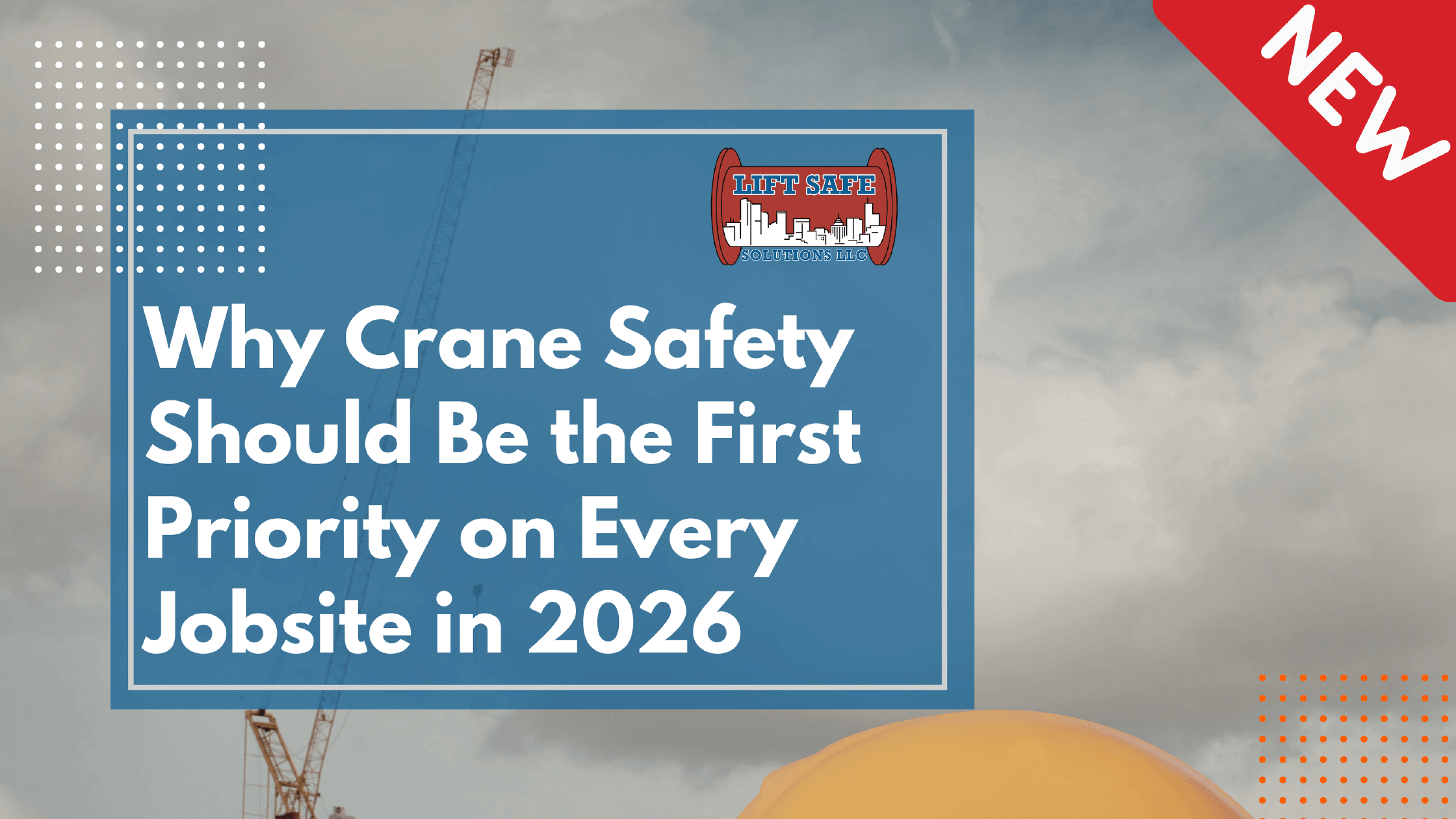
As construction projects grow more complex in 2026, crane safety is no longer a “best practice”, it is a business necessity. From evolving regulations to increased jobsite pressure, companies that fail to prioritize crane safety risk costly accidents, delays, and liability. Forward-thinking contractors are shifting their mindset from reactive safety measures to proactive lift planning and oversight.
As construction projects grow more complex in 2026, crane safety is no longer a “best practice”, it is a business necessity. From evolving regulations to increased jobsite pressure, companies that fail to prioritize crane safety risk costly accidents, delays, and liability. Forward-thinking contractors are shifting their mindset from reactive safety measures to proactive lift planning and oversight.
The Real Cost of Poor Crane Safety
Crane incidents don’t just cause injuries, they disrupt entire operations. Poor safety planning can lead to:
- OSHA violations and project shutdowns
- Equipment damage and downtime
- Legal exposure and insurance premium increases
- Long-term reputational damage
Many of these issues stem from avoidable gaps in planning, communication, and compliance.
Why Safety Must Start Before the Crane Arrives
True crane safety begins long before equipment is mobilized. Pre-lift planning ensures:
- Load paths are clearly defined
- Ground conditions are verified
- Environmental risks (wind, power lines, structures) are assessed
- All personnel understand their roles
Without structured lift planning, even experienced crews face unnecessary risk.
The Role of Lift Planning in Modern Construction
In 2026, lift planning is not optional — it’s expected. Comprehensive lift plans help teams:
- Identify hazards before they become incidents
- Align operators, riggers, and supervisors
- Maintain compliance with OSHA and ANSI standards
- Create documentation that protects both workers and contractors
Why Partnering With Crane Safety Experts Matters
Internal teams often lack the bandwidth or specialized knowledge to manage crane safety at a high level. This is where professional safety consultants provide value, offering independent oversight, expert planning, and compliance assurance.
Final Thoughts
Crane safety is not just about avoiding accidents, it’s about protecting people, projects, and profitability. Lift Safe Solutions helps construction teams implement proactive crane safety strategies that reduce risk and keep projects moving safely and efficiently.