
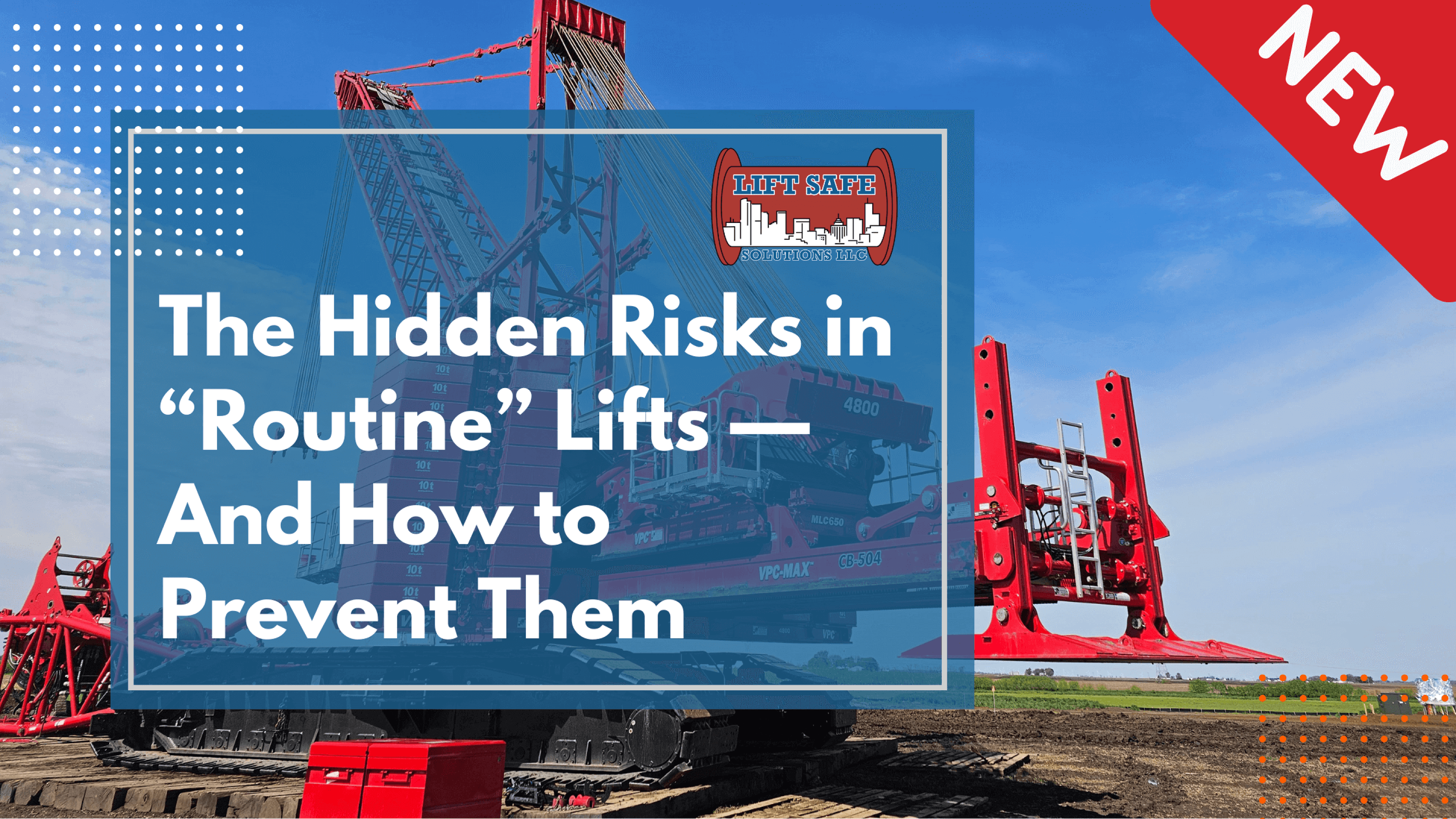
In construction and industrial lifting operations, the most dangerous lifts are often not the complex, high-profile ones. Instead, many serious incidents occur during routine lifts the everyday operations crews have performed dozens, or even hundreds, of times before.
In construction and industrial lifting operations, the most dangerous lifts are often not the complex, high-profile ones. Instead, many serious incidents occur during routine lifts the everyday operations crews have performed dozens, or even hundreds, of times before.
Complacency, time pressure, and assumptions can quietly turn a “simple” lift into a costly or even fatal accident. Understanding the hidden risks behind routine lifting operations is the first step toward preventing them.
Why Routine Lifts Deserve Serious Attention
A routine lift is typically defined as a repetitive or commonly performed lift that crews believe carries minimal risk. Because these lifts feel familiar, they often receive less planning, fewer checks, and reduced oversight.
This false sense of security can lead to:
- Skipped lift planning reviews
- Incomplete hazard assessments
- Poor communication between crew members
- Failure to account for changing site conditions
Ironically, familiarity can be one of the most dangerous factors on a jobsite.
Common Hidden Risks in Routine Lifting Operations
1. Complacency and Assumptions
When crews believe a lift is “easy,” they are more likely to assume conditions remain unchanged. Small shifts—such as altered ground stability, nearby work, or equipment wear—often go unnoticed until it’s too late.
2. Unverified Load Weights
Routine loads are often estimated rather than verified. Over time, added materials, moisture, or modifications can increase weight beyond safe limits, placing excessive strain on lifting equipment.
3. Changes in Environmental Conditions
Wind, temperature, and visibility can change quickly, even during short lifts. These environmental factors directly impact load stability and crane performance, yet they are frequently overlooked during routine operations.
4. Equipment Wear and Configuration
Repeated use leads to gradual wear on rigging, hooks, and lifting components. When equipment inspections become rushed or inconsistent, defects may go unnoticed.
5. Communication Breakdowns
Crews performing repetitive lifts may rely on habits instead of clear communication. Misunderstandings between operators, riggers, and signal persons significantly increase risk.
How Routine Lifts Turn Into Major Incidents
Many crane and lifting accidents share common root causes:
- Assumed load capacity instead of confirmed data
- Unrecognized environmental hazards
- Lack of clear authority to stop work
- No formal review of the lift plan
What begins as a “normal” lift can quickly escalate into dropped loads, equipment damage, or serious injuries when these risks compound.
Best Practices to Reduce Routine Lift Risks
Treat Every Lift as Unique
Even if the lift looks familiar, crews should approach it as a new operation. A brief review of conditions, equipment, and communication protocols can dramatically reduce risk.
Reconfirm Load Data
Verify load weights and centers of gravity especially for repetitive materials. Documentation and confirmation prevent guesswork.
Conduct Consistent Equipment Inspections
Rigging, hooks, slings, and connection points should be inspected regularly, regardless of how often they’re used.
Reinforce Clear Communication
Establish clear roles, signals, and stop-work authority before every lift. Routine does not mean informal.
Incorporate Independent Lift Oversight
Third-party lift reviews help identify blind spots that internal teams may miss due to familiarity or production pressure.
Why Proactive Lift Planning Makes the Difference
Effective lift planning is not about slowing down operations it’s about protecting people, equipment, and project timelines. Proactive planning reduces:
- Downtime caused by accidents
- Equipment damage and repair costs
- OSHA citations and liability exposure
Organizations that prioritize lift planning and risk assessment see measurable improvements in safety performance and crew confidence.
Partnering With Lift Safe Solutions
Lift Safe Solutions helps contractors and project teams identify risks before they turn into incidents even during routine lifts.
From lift planning support to independent safety reviews, Lift Safe Solutions provides expert guidance designed to:
- Reduce accident risk
- Improve compliance
- Strengthen onsite safety culture
Routine lifts don’t have to mean routine risk. With the right planning and oversight, every lift can be executed safely and confidently.